


Brew Rewards
3.431.00 Reviews
App Specs
- Version
- 22.1.05
- Updated On
- License
- Free
- Downloads
- 100,000+
- Developer
- Brew Rewards
- Categories
- Business
- Platform
- Android
Screenshots
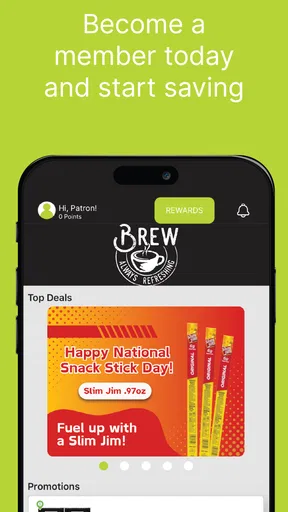
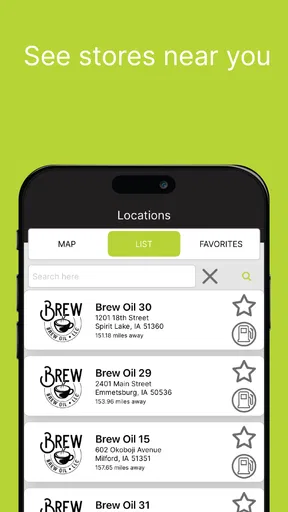
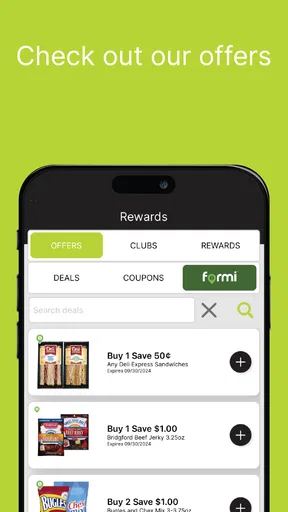
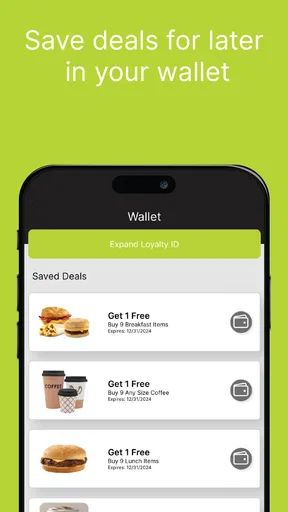
 Analysis by AppCompare
I approached Brew Rewards as a customer-loyalty app rather than as a general business tool, and that distinction matters. Its central idea is simple: put a business’s rewards experience on a phone so customers can interact with it during ordinary visits instead of relying on a paper card or trying to remember a login page. In my experience, the value is less about having another app installed and more about reducing the small bits of friction that make loyalty programs easy to ignore.
The app is free, belongs to the Business category, and is developed by Brew Rewards. It has reached over one hundred thousand installs, while its average rating sits at 3.4 from roughly seventy-six ratings and thirty-one written reviews. Those figures suggest a product with meaningful reach but a mixed experience, so I would not treat it as an automatic recommendation for every customer. I see it as most useful when the business behind it already uses Brew Rewards consistently and customers visit often enough to benefit from a mobile loyalty routine.
Turning a loyalty habit into a mobile routine
I look at this section as a question of habit rather than novelty: a loyalty app earns its place when it fits the moment I already visit a business. I’ll focus on how that routine changes when the phone becomes the point of access, then turn to the practical details that can make using it feel smooth or awkward. Preparing before a visit is a small step that can make a noticeable difference.
The capability that matters most
The strongest capability here is the mobile loyalty layer itself. Instead of keeping a physical stamp card in a wallet, or depending on a cashier to explain a promotion every time, the customer has a dedicated place to interact with the program. That can make repeat visits feel more organized, especially for people who already use their phone to manage payments, reservations, receipts, and memberships.
What I like about this approach is that it focuses on a behavior people already understand: visit a business, identify yourself through the loyalty system, and keep participating over time. The app does not need to reinvent loyalty for that to be useful. Its job is to make the existing relationship easier to carry around, and the best results come when the business has made its reward rules equally clear.
There is an important practical distinction between a mobile loyalty app and a simple promotional notification tool. A notification can remind me that a business exists, but a loyalty system gives me a reason to return. In daily use, that difference affects whether the app earns a permanent place on my phone or gets opened once and forgotten. Brew Rewards makes more sense for the former purpose: supporting an ongoing customer relationship rather than acting as a one-time coupon viewer.
Why mobile access changes the customer experience
A paper card is easy to understand but surprisingly easy to lose. A generic email program is harder to notice and can become buried under unrelated messages. Brew Rewards sits between those alternatives by giving the loyalty experience its own mobile destination. That dedicated space can be valuable for customers who want to check their participation at the moment they are deciding whether to make another visit.
Worth Reading Before You Choose

EA SPORTS FC Mobile 26 Is a Bigger Football Game, but It Takes Time

Flipboard Shows What News Apps Must Do Beyond the Feed

Switching to Android Auto Means Rethinking Your Driving Routine

Google Calendar Makes a Crowded Week Easier to Manage

Ludo King Makes the Most of the Minutes Between Plans

Baby Panda World Brings Quick Play to Modern Phones, but Its Game Library Feels Busy
I also found that the mobile format changes the timing of the decision. With a physical card, I usually think about rewards only while standing at the counter. With an app, I can think about the program before leaving home, while choosing between nearby businesses, or after a visit when deciding whether the next purchase is worth making there again. That does not guarantee loyalty, but it gives the program more opportunities to influence a real choice.
The effect is strongest when the business keeps the experience consistent. If staff accept the mobile loyalty process smoothly, the app feels like a shortcut. If customers have to ask what to tap, whether a visit counted, or how a reward is applied, the phone-based system can feel more complicated than a card. The app therefore succeeds partly through the surrounding business workflow, not only through its own interface.
What I would check before relying on it
Before making Brew Rewards part of my regular routine, I would confirm how the particular business expects customers to use it. The app is not something I would install blindly and assume will work identically everywhere. Loyalty programs often depend on local staff procedures, and the most useful preparation is knowing whether I should open the app before ordering, present it at checkout, or use it after the transaction.
I would also make sure my account details are accurate and that I understand the reward conditions before trying to redeem anything important. This is not a criticism unique to Brew Rewards; it is a general weakness of digital loyalty systems. The phone can store the program neatly, but it cannot remove unclear terms or inconsistent staff training. A quick conversation with the business can prevent an awkward moment at the counter.
One useful habit is to open the app before arriving rather than waiting until the busiest part of a visit. That gives me time to sign in, inspect the relevant screen, and avoid slowing down the transaction. It is a small adjustment, but it turns the app from something I troubleshoot in public into something I prepare privately.
A realistic everyday visit
Imagine I have a regular morning stop at a local café. With a paper card, I might leave it at home, forget to ask for a stamp, or discover that the card has become unreadable. With Brew Rewards, I can make the loyalty step part of the same phone routine I already use when checking the time or preparing to pay. I open the app before reaching the counter, follow the business’s normal process, and then leave knowing that the visit has been recorded in the digital system.
The convenience is not dramatic on a single visit. The benefit appears after several ordinary visits, when the program no longer depends on remembering a separate piece of cardboard. If I am already going to that café, the app can make the loyalty benefit easier to maintain. If I rarely go there, however, the extra installation and account management may not be worthwhile.
That is the first non-obvious trade-off I noticed: digital loyalty removes one kind of friction while adding another. I no longer need to carry a card, but I do need to keep the app available, use the correct account, and understand the business’s mobile process. For frequent customers, that exchange is usually favorable. For occasional visitors, it may not be.
Where it fits beside the usual alternatives
The closest alternative is still the traditional paper loyalty card. Paper wins on immediacy: there is no download, no battery concern, and almost no learning curve. It can also feel more personal in a small independent business. Brew Rewards wins when I want a loyalty program that stays with me instead of living in one specific wallet compartment.
Email-based rewards have a different advantage. They do not require a dedicated app and can reach customers who prefer not to install another service. Their weakness is visibility. A reward message can disappear among newsletters, receipts, and promotional mail. Brew Rewards gives the loyalty relationship a more focused home, but that focus is useful only if I am willing to open and maintain the app.
Some customers may prefer a broad wallet or a single shopping app that combines many memberships. That approach reduces the number of separate apps, which is attractive when I belong to several programs. Brew Rewards is more specialized. I would choose it when the participating business is important enough to justify a focused loyalty experience, not when my goal is to consolidate every card and reward in one place.
This comparison also explains why the app’s moderate 3.4 average rating deserves context. A loyalty app is judged not only by its screen design but by whether the reward appears when expected, whether staff recognize the process, and whether the customer understands the rules. A smooth business workflow can make the app feel effortless; a confusing one can make even a well-designed mobile system frustrating.
Trade-offs that affect real use
The first limitation is dependence on participation. Brew Rewards cannot create value for me if the businesses I visit do not use it actively or if their staff do not support the mobile process. That makes it less universally useful than a general payment wallet. I would check the app’s relevance to my actual routine before treating the install as worthwhile.
The second limitation is attention. Every loyalty app competes with other apps for space on my phone and for permission to become part of my habits. Even though Brew Rewards is free, “free” does not mean costless in practical terms. I still spend time installing it, maintaining access, and remembering to use it. The time investment is reasonable for a frequent customer, but not for someone making a single visit.
The age classification is Mature 17+, which is another detail families should consider before recommending it to younger users. I would not assume that a business-focused rewards app is automatically suitable for every member of a household. Parents and older users should make their own decision about whether the app fits the intended user and the context in which it will be used.
The current version is 22.1.05, and the app supports devices running Android 5.0 or later. That broad operating-system reach is helpful if I am using an older Android phone, because I do not need a recent handset simply to try the loyalty service. At the same time, compatibility alone does not guarantee that the experience will feel equally comfortable on every older device. I would keep the app updated when possible and test it before relying on it during a time-sensitive purchase.
Another trade-off is that a digital record can feel less transparent than a paper card. With paper, I can see every stamp at a glance. In an app, I depend on the interface to show my progress clearly and on the business’s system to record the visit correctly. My practical tip is to check the status after an important transaction rather than assuming it worked, especially when I am close to earning a reward.
Small workflow choices that make it better
I would use Brew Rewards with a simple three-step routine. First, I would open it before reaching the counter. Second, I would complete the loyalty action while the transaction is happening, rather than trying to reconstruct it later. Third, I would glance at the updated status before putting my phone away. This routine takes little effort and addresses the most common source of disappointment: discovering later that a visit was not recorded as expected.
If I visit more than one participating business, I would pay attention to which location I am using before starting the process. A mobile loyalty system is most helpful when it reduces uncertainty, so selecting the wrong business or assuming that every location follows the same procedure can undo the convenience. I would also avoid waiting until a reward is urgently needed to learn how redemption works.
For people who share phones, accounts, or devices within a household, I would keep the loyalty identity consistent. Mixing accounts can make progress harder to follow and can create confusion when another person tries to use the same reward. That is a particularly important consideration for couples or families who visit the same business but do not always make purchases together.
I would also treat the app as a complement to ordinary customer service, not a replacement for it. If a visit does not appear correctly, asking the business promptly is more useful than repeatedly tapping through the app. The mobile tool records and presents the loyalty relationship, but the participating business remains the best place to resolve a transaction-specific problem.
Who gains the most from it
Brew Rewards is best suited to frequent customers of businesses that have clearly adopted its mobile loyalty process. If I visit the same café, restaurant, or other participating venue regularly, the app can turn a fragile paper habit into something more dependable. The benefit grows with repetition because the small convenience is experienced again and again.
It is also a good fit for people who already prefer digital records. If I dislike carrying cards, often have my phone nearby, and want to check loyalty progress without asking staff, the app’s format matches my habits. The free price makes experimenting easy, provided the relevant business actually offers a worthwhile program through it.
I would be more cautious if I visit participating businesses only occasionally, dislike installing single-purpose apps, or prefer one universal wallet for all memberships. In those situations, a paper card, email program, or broader wallet may be more convenient. I would also skip it if the business cannot explain how the mobile process works, because unclear implementation removes much of the app’s practical advantage.
The app’s reach shows that it is not an obscure experiment, but the rating and review volume point to a product that should be judged through the specific business relationship rather than by popularity alone. I would try it when there is a clear personal reason: a place I visit often, a reward I can realistically use, or a paper process I repeatedly forget. I would not install it simply because every loyalty program sounds useful in theory.
My recommendation after using the mobile approach
My overall view is favorable but conditional. Brew Rewards addresses a real problem—keeping a business loyalty program available at the moment it matters—and it does so in a way that can fit naturally into repeat visits. Its best feature is not a flashy extra; it is the ability to make loyalty participation more consistent for customers who already return to the same businesses.
Its weaknesses come from the same design choice. A dedicated app asks for more commitment than paper or email, and the experience depends heavily on how well the participating business handles mobile loyalty at the counter. That means I would recommend it to a regular customer with a clear use case, while advising occasional visitors to compare the effort with the reward they are likely to receive.
My practical verdict: install Brew Rewards when it supports a place you genuinely visit often, prepare it before ordering, and verify that each important visit has been recorded. Used that way, it can quietly remove the annoying parts of a loyalty routine. Used without a regular business connection, it is more likely to become another app on the phone than a meaningful everyday benefit.
Pros
- Earn points quickly by scanning receipts from eligible purchases.
- Rewards can include free drinks
- discounts
- and other useful offers.
- The app makes it easy to track points and reward progress.
- Regular promotions can provide extra value for frequent customers.
- Simple layout makes browsing offers and rewards straightforward.
Cons
- Receipt scanning may fail if the image is blurry or details are hidden.
- Rewards and eligible products can vary by location or participating store.
- Points may expire if they are not used within the stated period.
- Some offers require specific sizes
- products
- or purchase conditions.
- The app may request personal and purchase data to provide rewards.
FAQs for Brew Rewards
What is Brew Rewards, and how does it work?
Brew Rewards is a loyalty app designed to help customers earn and use rewards when purchasing drinks or other eligible products from participating cafés, breweries, or beverage businesses. After creating an account, you typically collect points, stamps, or promotional credits through qualifying purchases. The exact earning rules, available rewards, and participating locations may vary, so check the app’s current offers before relying on a specific promotion.
How do I earn points or rewards with Brew Rewards?
To earn rewards, you generally need to identify yourself at checkout by scanning the app, presenting a membership code, or linking an eligible purchase to your account. Some campaigns may provide bonus points, limited-time deals, or rewards for visiting particular locations. It is important to confirm that the business participates in Brew Rewards and that the transaction has been recorded before leaving, since missed purchases may not always be added later.
Can I redeem Brew Rewards at any participating location?
Rewards are usually subject to the terms set by the participating business, which means they may not be valid everywhere the app is available. Before redeeming, open the reward details and review the eligible locations, expiration date, minimum purchase requirements, and any product restrictions. Some offers may be limited to a specific venue, brand, event, or promotional period, so availability can differ between locations.
Does Brew Rewards cost anything to download or use?
The Brew Rewards app may be free to download and use, although normal mobile data charges can apply depending on your internet plan. The app itself does not necessarily make purchases free, because users may need to complete qualifying transactions to earn points or unlock promotions. Always review the reward conditions, privacy information, and any payment-related notices before registering or linking an account.
What should I do if my points, purchase, or reward is missing?
If a purchase does not appear in your Brew Rewards account, first check that you used the correct account and that the transaction met the promotion’s requirements. Allow some time for processing, then contact the participating business or the app’s support team through the available help option. Keep your receipt, purchase date, location, and transaction details, as support may request this information when investigating the issue.


